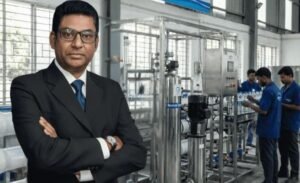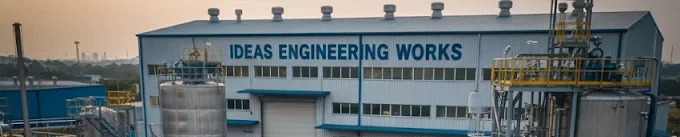
A Mineral Water Bottling Plant is a complete system that purifies, fills, caps, labels, and packages mineral water for commercial distribution. An Automatic Mineral Water Plant integrates advanced filtration, reverse osmosis (RO), UV sterilization, ozonation, and automated bottling machinery to produce safe, high-quality packaged drinking water efficiently while meeting industry standards.
Thank you for reading this post, don't forget to subscribe!- Produces safe and hygienic packaged drinking water.
- Fully automated systems improve production efficiency.
- Suitable for small, medium, and large-scale businesses.
- Ensures consistent water quality through advanced purification.
- Reduces manual labor and operating costs.
- Scalable capacities to match business growth.
What is a Mineral Water Bottling Plant?
A Mineral Water Bottling Plant is a complete manufacturing facility designed to treat raw water and convert it into high-quality packaged drinking water. The process includes water purification, mineral balancing (when required), sterilization, bottle filling, capping, labeling, and packaging.
Modern plants are designed to comply with food safety and water quality standards while maintaining consistent production. Depending on business requirements, plants are available in various capacities ranging from small commercial units to fully automated industrial systems capable of producing thousands of liters per hour.
For businesses planning to enter the packaged drinking water industry, investing in a reliable bottling plant ensures better product quality, improved operational efficiency, and long-term profitability.
How Does an Automatic Mineral Water Plant Work?
An Automatic Mineral Water Plant follows a systematic purification and bottling process to ensure every bottle meets quality standards.
Raw Water Collection
Water is collected from a borewell, municipal supply, or another approved source and stored in a raw water tank.
Pre-Treatment
Large suspended particles, sediments, and impurities are removed through multimedia filtration and activated carbon filtration.
Reverse Osmosis (RO)
The RO system removes dissolved salts, heavy metals, bacteria, viruses, and other contaminants to produce purified water.
UV Sterilization and Ozonation
Ultraviolet sterilization and ozone treatment eliminate harmful microorganisms while maintaining water freshness during storage and packaging.
Automatic Bottle Filling
Purified water is transferred to an automatic filling machine where bottles are filled accurately without human contact.
Capping, Labeling, and Packaging
The bottles are automatically capped, labeled, batch coded, and packed for distribution, ensuring speed, consistency, and hygiene throughout the production line.
Main Components of a Mineral Water Bottling Plant
| Component | Function |
|---|---|
| Raw Water Tank | Stores untreated water |
| Multi-Grade Filter | Removes suspended particles |
| Activated Carbon Filter | Eliminates odor, chlorine, and organic impurities |
| Water Softener | Reduces hardness |
| RO System | Purifies water by removing dissolved contaminants |
| UV Sterilizer | Kills bacteria and viruses |
| Ozone Generator | Provides final disinfection |
| Bottle Filling Machine | Automatically fills bottles |
| Capping Machine | Seals bottles hygienically |
| Labeling Machine | Applies product labels |
| Packaging Unit | Prepares bottles for transportation |
Each component plays an important role in maintaining product quality and ensuring uninterrupted production.
Benefits of an Automatic Mineral Water Plant
Businesses are increasingly choosing Automatic Mineral Water Plants because they offer several operational and commercial advantages.
- High production efficiency with minimal manual intervention.
- Consistent water quality across every production batch.
- Improved hygiene through automated processing.
- Reduced labor costs and human error.
- Faster production cycle and higher output.
- Lower operational downtime with modern control systems.
- Easy monitoring through automated control panels.
- Flexible production capacities for growing businesses.
- Long equipment life with proper maintenance.
- Better compliance with food safety regulations.
Automation also helps manufacturers maintain consistent packaging quality, improving customer confidence and brand reputation.
Industries That Use Mineral Water Bottling Plants
Automatic bottling plants are widely used across multiple industries where safe drinking water is essential.
These include:
- Packaged Drinking Water Manufacturers
- Beverage Industries
- Hotels and Resorts
- Hospitals and Healthcare Facilities
- Educational Institutions
- Corporate Offices
- Food Processing Industries
- Railway Stations and Airports
- Commercial Water Supply Businesses
- Government Water Supply Projects
The versatility of these plants makes them suitable for both new entrepreneurs and established beverage manufacturers.
Factors to Consider Before Installation
Before installing a Mineral Water Bottling Plant, businesses should carefully evaluate several important factors.
Water Quality
Testing the raw water source helps determine the required treatment process and equipment configuration.
Production Capacity
Select a plant capacity based on projected demand and future business expansion.
Available Space
Proper layout planning ensures smooth installation, maintenance, and future upgrades.
Automation Level
Choose between semi-automatic and fully automatic systems based on production goals and investment plans.
Energy Efficiency
Modern equipment with energy-efficient components helps reduce long-term operating costs.
After-Sales Support
Reliable technical support, spare parts availability, and maintenance services contribute to uninterrupted plant operation.
Why Choose a Professional Manufacturer?
Selecting an experienced manufacturer is one of the most important decisions for a successful water bottling business.
A professional manufacturer provides:
- Customized plant design
- High-quality manufacturing standards
- Reliable automation technology
- Installation and commissioning support
- Operator training
- Technical documentation
- Spare parts availability
- Preventive maintenance services
- Long-term technical assistance
Working with an experienced manufacturer ensures that the plant performs efficiently, complies with industry requirements, and delivers consistent production over many years.
Frequently Asked Questions
What is the difference between a Mineral Water Bottling Plant and an Automatic Mineral Water Plant?
A Mineral Water Bottling Plant refers to the complete production facility, while an Automatic Mineral Water Plant uses automated machinery to reduce manual operations and increase production efficiency.
What capacity is suitable for a new business?
The ideal capacity depends on local market demand, investment budget, and future expansion plans.
Is an automatic plant better than a semi-automatic plant?
Yes. Automatic plants provide higher production speed, better hygiene, greater accuracy, and lower labor requirements.
Can the plant produce different bottle sizes?
Yes. Most automatic bottling systems can be configured to fill multiple bottle sizes with appropriate machine adjustments.
How important is regular maintenance?
Routine maintenance helps maintain water quality, reduce downtime, improve equipment life, and ensure continuous production.
Conclusion
Ideas Engineering Works Mineral Water Bottling Plant equipped with an Automatic Mineral Water Plant system is a smart investment for businesses looking to enter or expand in the packaged drinking water industry. Automated purification, filling, and packaging not only improve operational efficiency but also ensure consistent product quality and hygiene.
By selecting the right plant capacity, reliable equipment, and an experienced manufacturer, businesses can build a sustainable and scalable water production facility capable of meeting growing market demand. Whether you are launching a new venture or upgrading an existing production line, investing in advanced automation provides long-term value through improved productivity, lower operating costs, and dependable water quality.