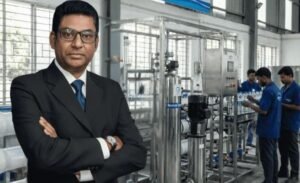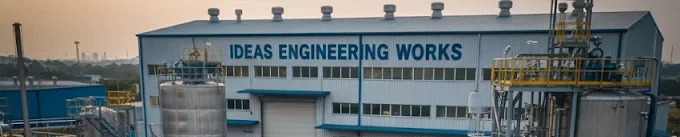
A Water Treatment Plant Manufacturer designs and manufactures advanced systems that remove impurities, suspended solids, dissolved salts, bacteria, viruses, and harmful chemicals from raw water to make it suitable for industrial, commercial, municipal, and drinking water applications. This guide explains how water treatment plants work, their major components, benefits, industries served, installation process, estimated costs, and why choosing an experienced Water Treatment Plant Manufacturer and Suppliers India is essential for long-term performance.
Thank you for reading this post, don't forget to subscribe!Quick Facts
| Item | Details |
| Industry | Water Treatment |
| Capacity | 500 LPH to 1,000,000 LPD |
| Plant Type | Industrial & Commercial |
| Applications | Drinking, Process, Utility Water |
| Automation | Semi & Fully Automatic |
| Installation | PAN India |
| Material | SS304, SS316, FRP, MS |
What is a Water Treatment Plant?
A Water Treatment Plant Manufacturer develops customized systems that convert raw water into clean, safe, and reusable water through advanced purification technologies. These systems remove turbidity, hardness, dissolved solids, microorganisms, heavy metals, and organic contaminants to ensure consistent water quality.
Modern water treatment plants combine multiple treatment stages such as multimedia filtration, activated carbon filtration, water softening, reverse osmosis (RO), UV sterilization, ozonation, and chemical dosing to meet industrial and drinking water quality standards.
Whether the water source is groundwater, river water, municipal water, or borewell water, an efficiently designed plant ensures reliable operation, lower maintenance costs, and consistent output quality.
How Does a Water Treatment Plant Work?
A standard water treatment system generally follows these stages:
- Raw Water Collection
- Raw Water Storage Tank
- Raw Water Pump
- Multimedia Sand Filter
- Activated Carbon Filter
- Water Softener (if required)
- Micron Cartridge Filter
- High-Pressure Pump
- Reverse Osmosis (RO) Membrane
- UV Sterilization
- Ozonation System
- Treated Water Storage
- Distribution or Production Line
Each stage is designed to remove specific contaminants while protecting downstream equipment and improving overall system efficiency.
Benefits of Installing a Water Treatment Plant
- Produces clean and safe water
- Improves product quality
- Removes dissolved impurities
- Reduces equipment scaling
- Increases membrane life
- Minimizes maintenance costs
- Supports regulatory compliance
- Reduces water wastage
- Lowers operational expenses
- Provides long-term reliability
A professionally engineered plant also improves energy efficiency and ensures uninterrupted production.
Technical Specifications
| Parameter | Specification |
| Capacity | 500 LPH – 100,000 LPH |
| Automation | Semi / Fully Automatic |
| Material | SS304 / SS316 / FRP |
| Membrane | Thin Film Composite |
| Operating Pressure | As per design |
| Filtration | Multi-stage |
| Power Supply | 230V / 415V |
| Installation | Turnkey |
Major Components of a Water Treatment Plant
A complete water treatment solution may include:
- Raw Water Tank
- Feed Pump
- Pressure Sand Filter
- Activated Carbon Filter
- Water Softener
- Antiscalant Dosing System
- Micron Cartridge Filter
- High Pressure Pump
- Reverse Osmosis System
- UV Sterilizer
- Ozone Generator
- Treated Water Storage Tank
- PLC Control Panel
- Online Monitoring Instruments
- Stainless Steel Piping
Every component is selected based on plant capacity and water quality requirements.
Industries Served
Water treatment plants are widely used across multiple industries, including:
- Food & Beverage
- Pharmaceutical
- Hospitals
- Hotels & Resorts
- Chemical Industries
- Textile Industries
- Educational Institutions
- Power Plants
- Dairy Processing
- Breweries
- Municipal Water Supply
- Packaged Drinking Water Plants
These industries depend on reliable water quality to maintain production standards and regulatory compliance.
Water Treatment Process
The purification process begins with raw water intake and progresses through filtration, adsorption, softening, membrane separation, and final disinfection.
Physical filtration removes suspended solids, activated carbon eliminates chlorine and odor, softening reduces hardness, while reverse osmosis removes dissolved salts and microorganisms. UV sterilization and ozonation provide final disinfection, ensuring safe and high-quality treated water.
This integrated process delivers water suitable for industrial operations, commercial use, or potable applications depending on the treatment objective.
Estimated Water Treatment Plant Cost
The overall investment depends on several factors:
- Plant Capacity
- Water Quality
- Automation Level
- Material of Construction
- Treatment Technology
- Installation Location
- Civil Work
- Electrical Requirements
- Accessories
- Transportation
A professional manufacturer conducts a detailed water analysis before recommending the most cost-effective solution.
Installation Process
The installation generally includes:
- Site Survey
- Raw Water Testing
- Plant Design
- Equipment Manufacturing
- Factory Testing
- Delivery
- Mechanical Installation
- Electrical Integration
- Commissioning
- Performance Testing
- Operator Training
- After-Sales Service
Proper commissioning ensures optimum plant efficiency and long service life.
Maintenance Tips
Regular maintenance helps maintain water quality and system performance.
- Replace filter media as recommended.
- Clean RO membranes periodically.
- Inspect pumps and valves regularly.
- Monitor pressure gauges and flow rates.
- Replace UV lamps on schedule.
- Calibrate online instruments.
- Check dosing systems regularly.
- Maintain preventive service records.
Preventive maintenance significantly reduces downtime and operating costs.
Common Problems & Solutions
Low Water Flow
Usually caused by clogged filters or reduced feed pressure.
High TDS in Product Water
May indicate membrane fouling or damaged RO membranes.
Pump Pressure Drop
Often caused by air leakage, worn pumps, or blocked pipelines.
Membrane Fouling
Can result from poor pretreatment or inadequate cleaning schedules.
Routine inspection and timely maintenance help avoid these issues.
Frequently Asked Questions (FAQ)
What is a Water Treatment Plant?
A water treatment plant purifies raw water by removing physical, chemical, and biological contaminants for industrial, commercial, or drinking applications.
Which industries require water treatment plants?
Industries such as pharmaceuticals, food processing, hospitals, hotels, power plants, textiles, chemicals, and packaged drinking water manufacturing commonly use water treatment systems.
What factors determine plant capacity?
Capacity depends on daily water demand, raw water quality, application, and future expansion requirements.
How long does installation take?
Installation timelines vary depending on project size, customization, and site readiness.
What maintenance is required?
Routine filter replacement, membrane cleaning, pump inspection, UV servicing, and calibration of monitoring instruments are essential for reliable performance.
Can the plant be upgraded later?
Yes. Many modern systems are modular and can be expanded as production requirements increase.
Why Choosing the Right Water Treatment Plant Manufacturer Matters
Selecting an experienced Water Treatment Plant Manufacturer and Suppliers India ensures reliable engineering, customized plant design, quality components, efficient installation, and dependable after-sales support. Manufacturers with proven expertise provide solutions based on detailed water analysis, helping businesses achieve better water quality, lower operating costs, and long-term system reliability.
Conclusion
A well-designed Water Treatment Plant Manufacturer delivers more than just equipment—it provides a complete water purification solution tailored to specific operational needs. From raw water analysis and system design to installation and ongoing support, choosing the right manufacturer is critical for achieving consistent water quality, regulatory compliance, and long-term efficiency.
Whether your requirement is for industrial processing, commercial facilities, municipal supply, or drinking water production, investing in a high-quality Water Treatment Plant Manufacturer and Suppliers India helps ensure sustainable operations, optimized performance, and dependable results for years to come.